
Before You Seal Your Pavers: A Florida Planning Guide
A good sealing plan starts with the surface, its history and the product instructions—not just an available date.
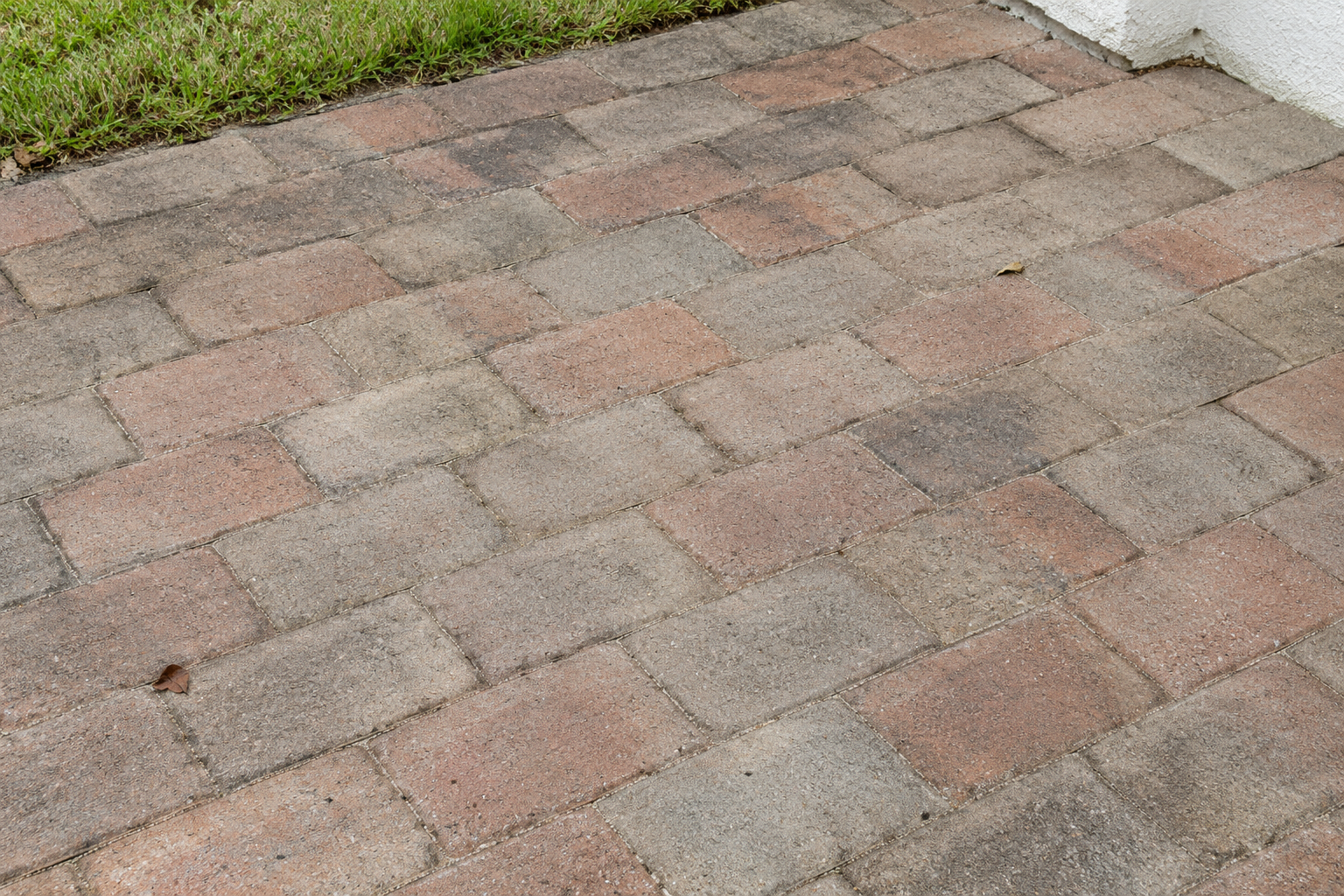
Before sealing concrete pavers, identify the installed material and any previous coating, assess stains and white deposits, and confirm the chosen product’s preparation and weather requirements. Do not assume that a freshly washed surface is ready for sealer.
For a homeowner in Tampa Bay or Sarasota, the useful question is not simply “When can you seal the driveway?” It is “What needs to be true before sealing can begin?” This guide helps you gather the information needed for that conversation.
The checklist concerns concrete pavers. Natural stone, clay and permeable installations need their own guidance. It is a planning tool, not an application recipe.
1. Start with the surface history
Look for an installation invoice, product name or previous sealing receipt. Write down what you know and mark the rest as unknown. Ask whether the area has been coated before and whether the proposed product is compatible with that history.
CMHA’s maintenance guidance highlights why knowing earlier sealer products matters. A new coat should not be selected only because the finish looks similar in a photo.
2. Separate cleaning questions from repair questions
Make a simple record before requesting a quote:
| What you notice | Question to ask |
|---|---|
| Oil marks or other stains | What treatment is appropriate, and what result is realistic? |
| White haze or deposits | What is causing the appearance, and should sealing wait? |
| Loose, shifted or damaged pavers | Does this need a separate repair assessment first? |
| Missing joint material | Which material belongs in this installation, and is restoration included? |
| Old coating with an uneven appearance | Can the coating be identified and its condition assessed? |
Take wide photos and close-ups. Do not use appearance alone to diagnose every white mark as the same problem. CMHA describes efflorescence as a white deposit associated with concrete materials and advises addressing it before sealing; an existing coating problem needs its own assessment.
3. Plan around the actual product
CMHA’s cleaning and sealing bulletin calls for preparation that removes dirt, oil stains and efflorescence. It explains that most sealers require dry surfaces and that moisture, saturated joints or overly thick application can contribute to a cloudy appearance.
For your project, request the product name and current technical data sheet. Confirm its drying conditions, application limits, rain restrictions and reopening instructions. A calendar estimate should allow for those requirements rather than treat the end of washing as an automatic start time for sealing.
Ask separately about walking, moving patio furniture and driving. Do not turn one product’s waiting period into a rule for every sealer. Make parking and access arrangements before the work begins.
4. Compare the scope, not only the price
Ask each provider to describe what the proposed work includes. A useful written scope identifies the areas, preparation, product, finish expectations, any joint work and the handling of unresolved stains or repairs. If one quote includes restoration and another only application, clarify the difference before comparing totals.
Request a suitable test area when evaluating appearance. Discuss maintenance expectations as well: CMHA’s operation and maintenance guide notes that sealers may need reapplication as they wear and weather. The relevant schedule depends on the actual installation and product.
Common questions
Can washing and sealing always happen on the same day?
Do not assume so. Ask how the selected product’s preparation and drying requirements will be met at your property.
Will sealer fix damaged or uneven pavers?
Treat those as separate assessment questions. A sealing quote should not be mistaken for a repair commitment unless the scope explicitly includes that work.
What if I do not know the old sealer?
Say that upfront and share any invoices or records you can find. Ask how compatibility will be evaluated before a new product is chosen.
Continue planning your project
Read our paver cleaning and joint-sand guide and driveway runoff checklist. For a property assessment, visit paver sealing or contact Admirals Power Washing.
Tampa Bay & Sarasota · 941-822-9091
Monday–Saturday, 8:00 AM–7:00 PM. Sunday closed.
Sources
- CMHA: Cleaning, Sealing and Joint Sand Stabilization
- CMHA: Operation and Maintenance Guide
- CMHA: Tips to Maintain Your Hardscape Project
Prepared November 2, 2026. Follow the current instructions for the installed materials and selected product.